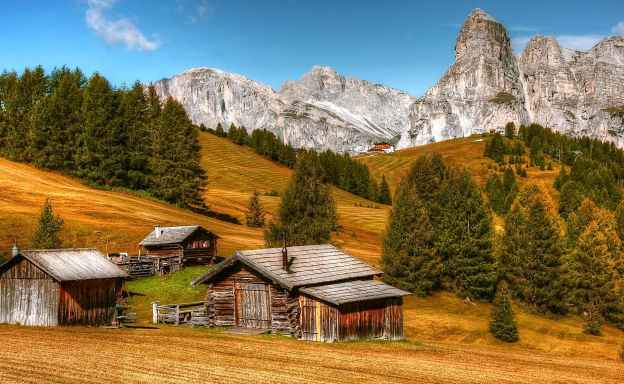
Papikondalu National Park (Papi Hills) is located in East Godavari and West Godavari districts of Andhra Pradesh, covering an area of 1,012.86 km2 (391.07 sq mi). No part of Papikondalu remains outside East and West Godavari districts after 2014 and after the construction of Polavaram Dam.
Etymology
The name Palkonda translates into “milk hills”, a combination of the Telugu words pāl meaning milk and konda meaning hill. The name is attributed to the presence of pasture grounds in them.
Geographical extent
The Palkonda range has a southeast to northwest orientation and traverse the districts of Anantapur and Cudappah. These hills average 2,000 ft in elevation. The highest point of the range is at Buttaid where it reaches a height of 3,060 ft. A westward extension of the range in Anantapur forms the Seshachalam Hills.
Geology
The Palkonda hills are relict mountains that can be traced back to the Cambrian period. They have over the course of over 500 million years been eroded by the Penner river and its tributaries. The hills are largely composed of quartzite formations interspersed with lava and slate deposits.
Rivers
The Punchu and Cheyyeru are important rivers of this region and, along with the Chitravati and Papagni rivers, form a series of river basins that marks the middle course of the Penner river of which they are tributaries. There are several streams between the Palkonda and its parallel range Velikonda that have been dammed to irrigate the valleys between the ranges. Jowar and groundnut are the principal crops cultivated here.
Flora and fauna
There are teak forests in these hills and it is also a habitat of the highly endangered Jerdon’s courser.
Human habitations
The sacred hill of Tirumala and temple town of Tirupati lies at the southeastern end of the Palkonda range. The Mumbai-Chennai railway line is an important transport artery that runs parallel to the hills through Gooty and Renigunta.

 peace
peace 